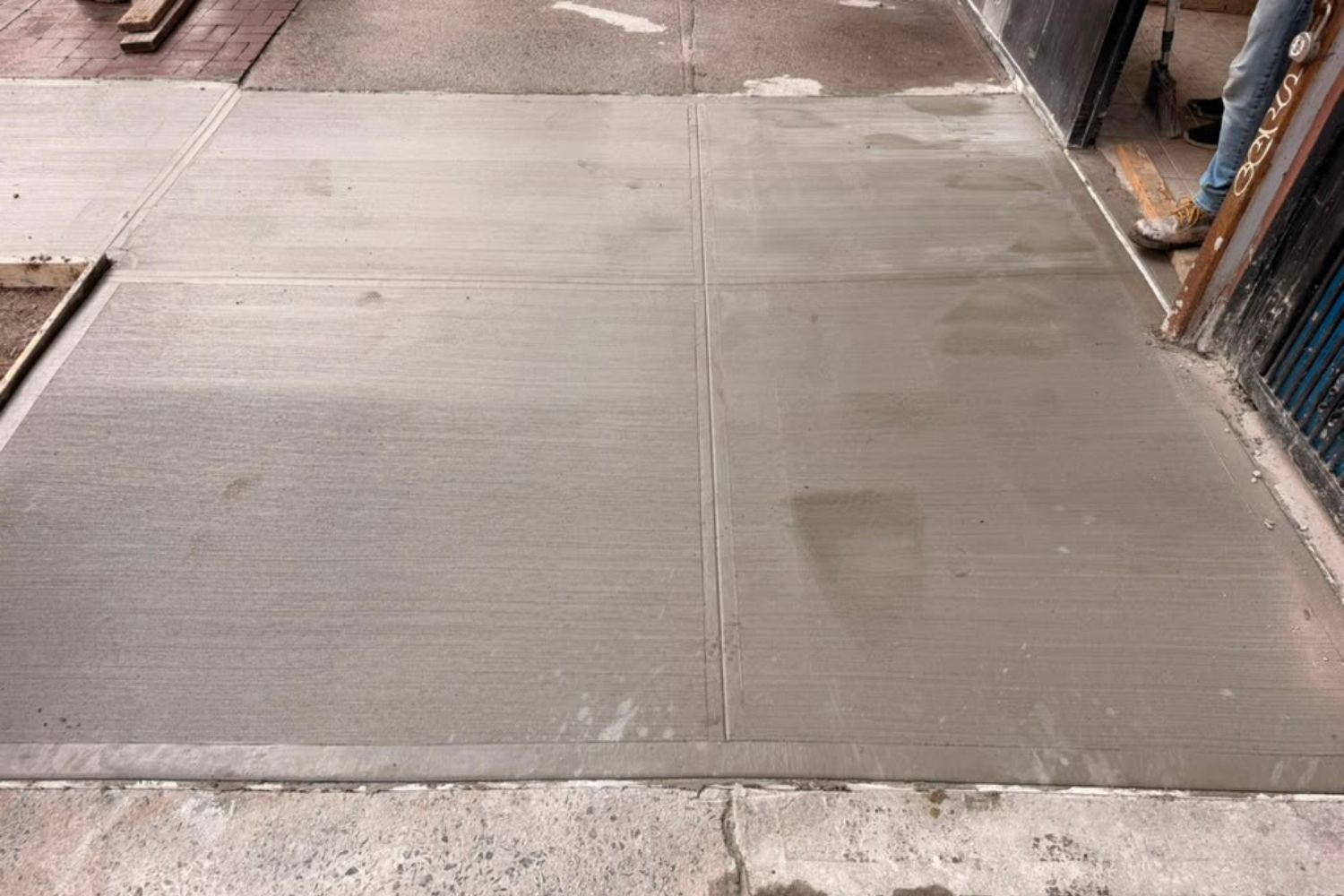
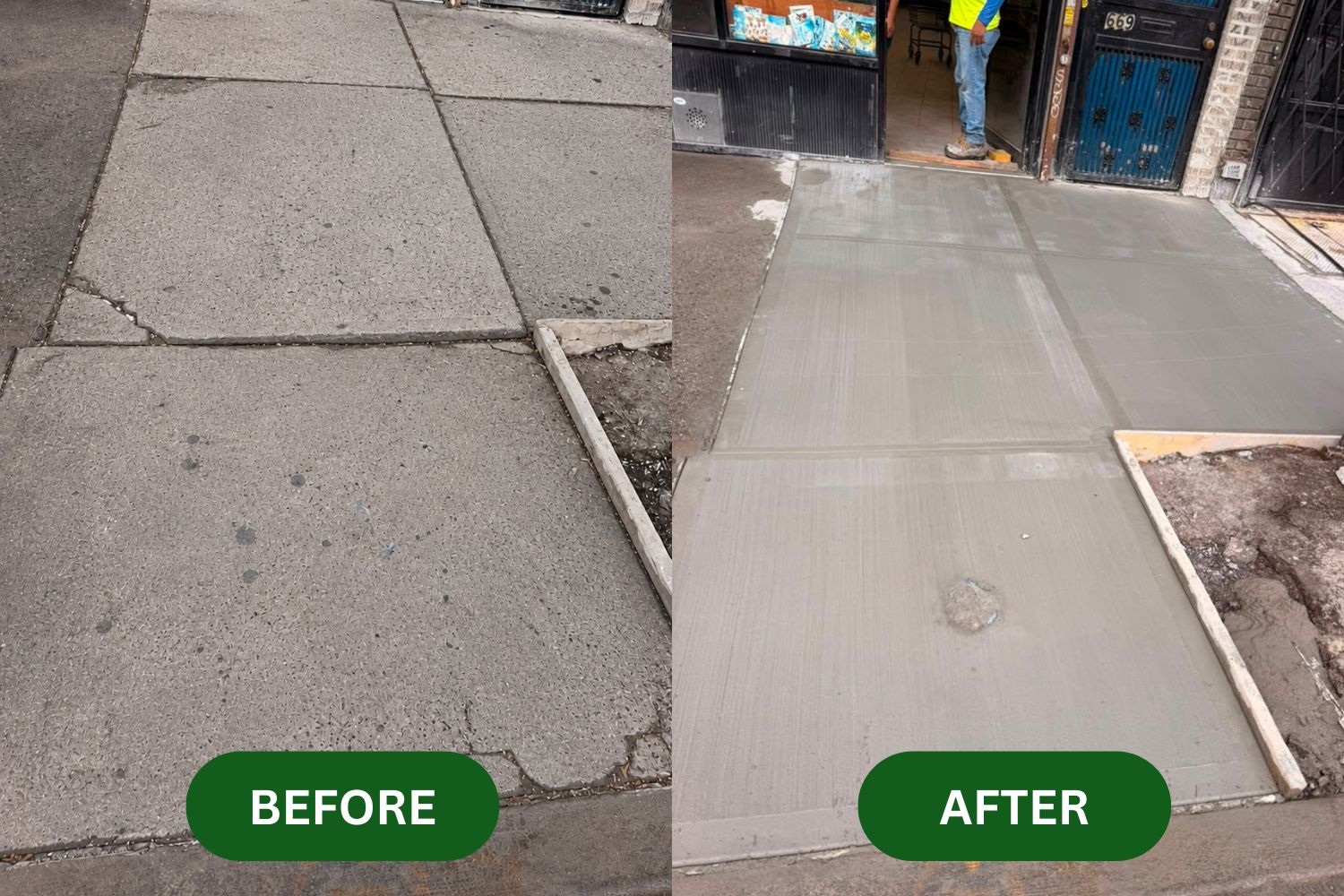
Project: Sidewalk Violation Removal in Brooklyn
Client: Mixed-Use Property Owner
Location: 669 Flatbush Ave, Prospect Lefferts Gardens, Brooklyn, NY 11225
Services Provided: NYC DOT Sidewalk Repair, Sidewalk Violation Removal, Permit Filing and Expediting, Tree Work Permit Application and Approval, Sidewalk Closing Permit, Root Pruning and Root Barrier Installation, and Final DOT Sign-Off.
Total Sidewalk Area Repaired: Approximately 125 square feet / 5 slabs
Project Completion Time: Completed within the 75-day correction period specified in the NYC DOT violation notice
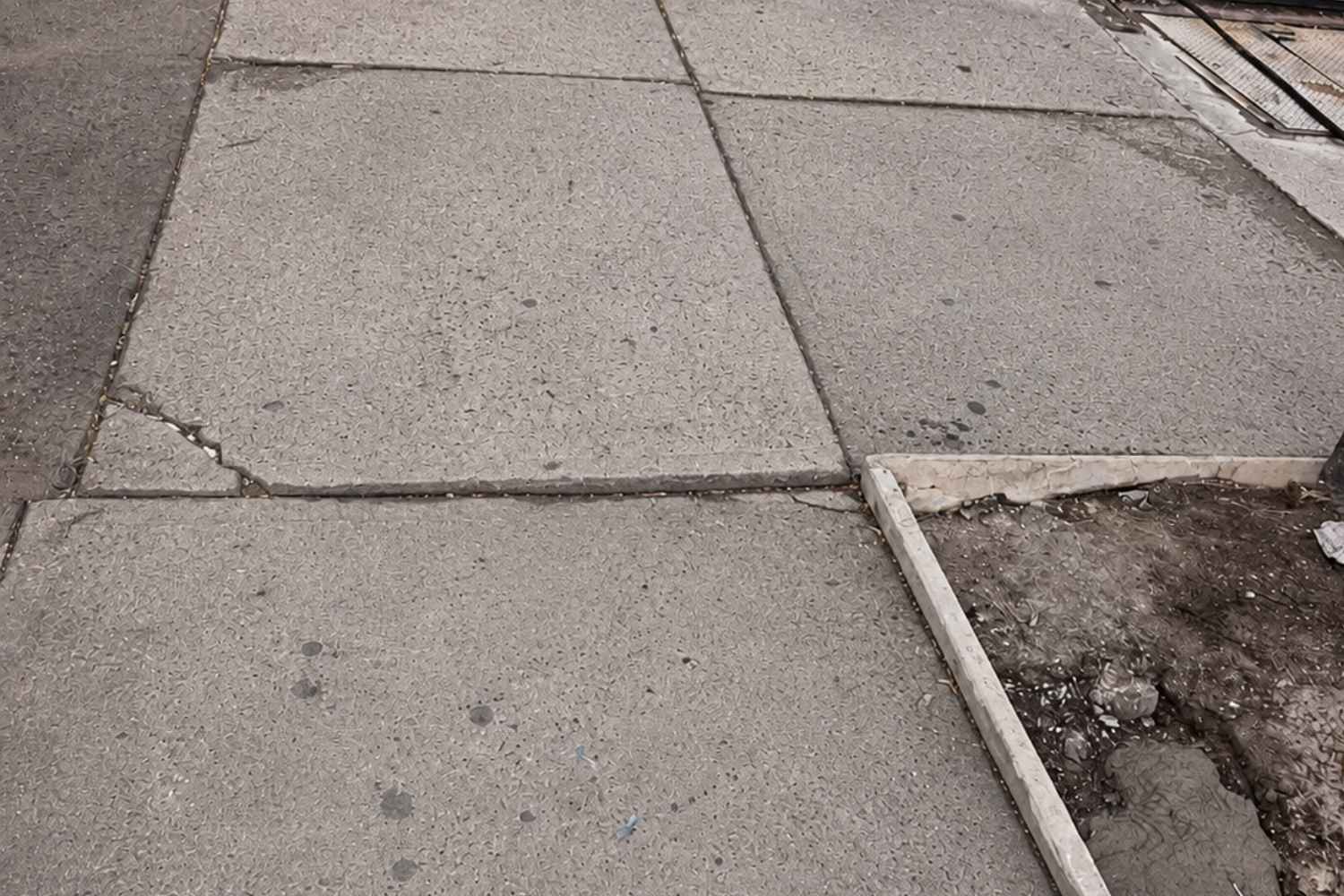
669 Flatbush Ave is a mixed-use building serving both residential occupants and commercial customers, sitting along one of Prospect Lefferts Gardens' busiest corridors, just blocks from Prospect Park, the Prospect Park B/Q subway station, and the Brooklyn Botanic Garden, with Crown Heights, Flatbush, and Prospect Park South all within close reach. That kind of foot traffic meant the property's sidewalk condition wasn't just a compliance issue but a daily safety and access concern for tenants, shoppers, and passersby alike.
The root of the problem, quite literally, was a mature street tree whose root system had pushed beneath five sidewalk flags, heaving and cracking roughly 125 square feet of concrete. For a mixed-use property, uneven slabs at the entrance don't just create trip-and-fall exposure; they also make storefronts harder to reach and give the whole building a neglected look to customers walking by. Left unresolved, the violation would have meant continued liability risk and mounting pressure from NYC DOT enforcement.
The complicating factor was the tree itself. Any repair that disturbed the roots without proper authorization risked damaging a protected street tree, which meant the project needed sign-off through the city's tree work permitting process before a single slab could come out, on top of the standard DOT sidewalk permit and closing permit.
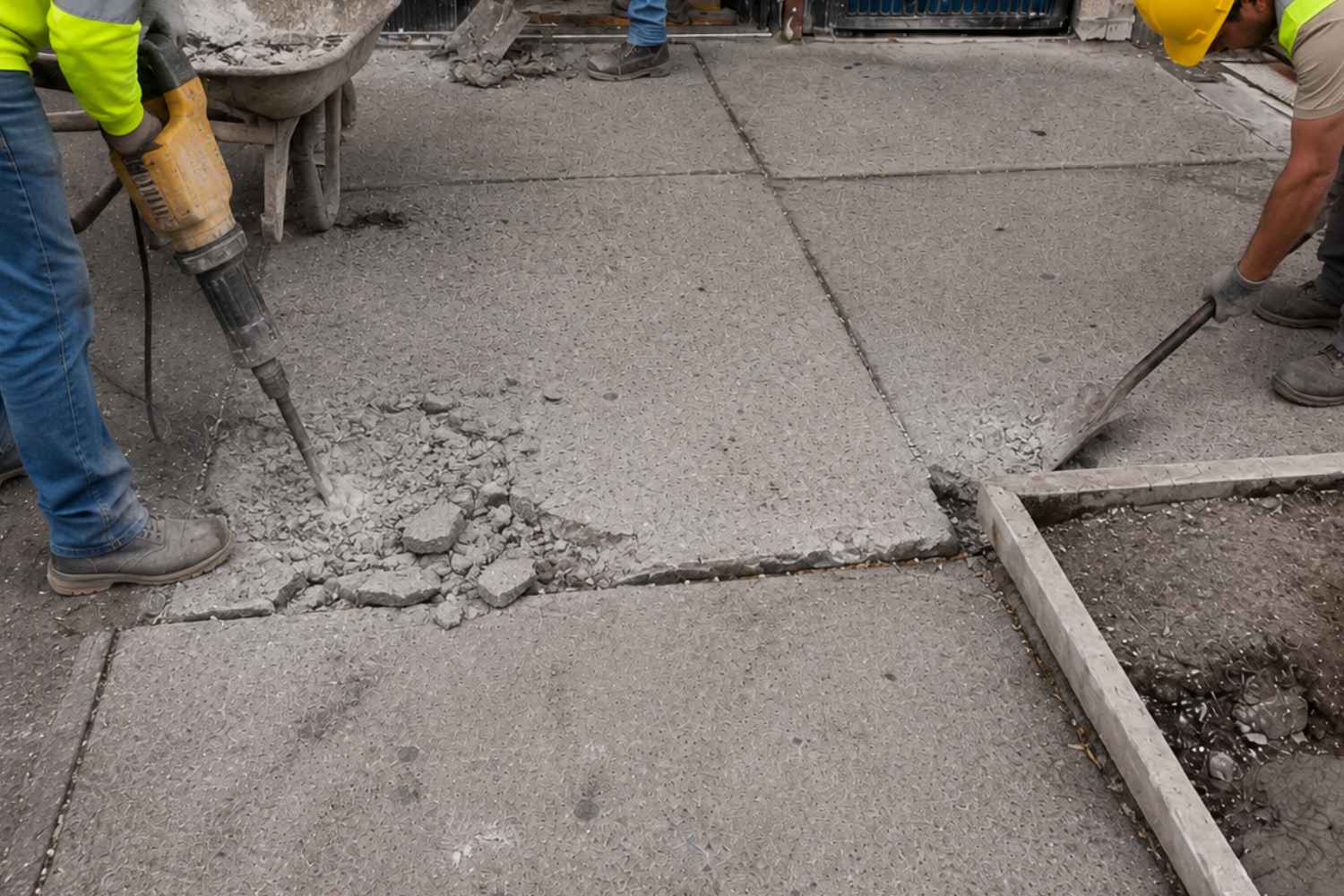
Rather than treating this as a straightforward slab swap, our team at Brooklyn Sidewalk Repair Pros built the project around the root cause first, permits second, concrete third:
Why this approach over alternatives: A property owner handling this without a contractor managing the tree permit first would typically either delay the repair waiting on city approval or risk a rejected application for disturbing a protected tree without authorization. By securing the tree work permit up front and pairing it with a root barrier, the repair addressed the violation and the underlying cause in the same project, rather than requiring the owner to face the same damage again down the line.
In the owner's words, "I didn't realize the tree roots were even the issue until they explained it. Having them handle the tree permit and the DOT side together meant I didn't have to chase two different approvals myself, and the sidewalk hasn't shifted since."
Tree root damage isn't just a sidewalk problem, it's a permitting problem with construction attached. The real risk to timeline isn't the concrete work, it's disturbing a protected tree's root system without the proper authorization first. Pairing root pruning with a root barrier, rather than just replacing the slabs and leaving the same tree to push through again, is what keeps a repair like this from becoming a repeat violation. For mixed-use property owners on high-traffic corridors, the value of a contractor who manages the tree work permit, the DOT permit, and the closing permit as one process is avoiding both the compounding delays of separate agency approvals and the recurring cost of fixing the same damage twice.
Call today at 718-475-6280, or complete our online request form. We handle sidewalk repair, DOT violation removal, replacement, and driveway work across Brooklyn.